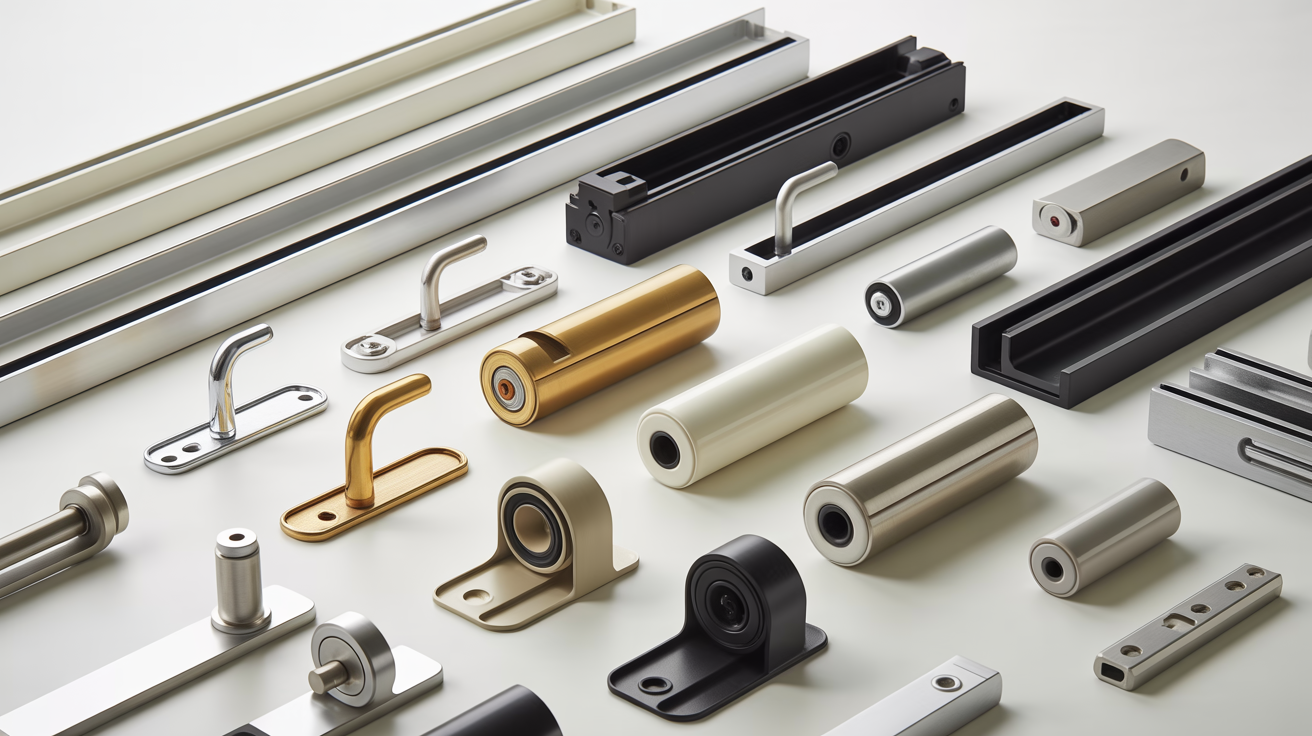
Sliding Door Hardware Guide: Handles, Tracks & Rollers
Quality sliding door hardware determines how smoothly your wardrobe doors operate, how long they last, and how much maintenance they require. Understanding the key components—handles, tracks, and rollers—empowers you to make informed decisions when purchasing new doors or upgrading existing systems.
After installing thousands of sliding door systems across Gauteng since 1997, Mirror Robe has tested every hardware option available. This comprehensive guide demystifies sliding door components and helps you choose the right hardware for your needs.
Understanding Track Systems
Bottom Track vs. Top-Hung Systems
Bottom Track Systems:
How They Work:
- Door weight supported by bottom track
- Wheels/rollers in bottom track channel
- Top guide prevents door tipping
- Traditional system design
Advantages:
- Lower cost
- Simple installation
- Easy to repair
- Widely available parts
Disadvantages:
- Floor track collects dirt
- Trip hazard potential
- Harder to clean around
- Track can be damaged by impacts
Best For:
- Budget projects
- Simple installations
- Standard wardrobe openings
- Retrofits where ceiling mounting not possible
Cost: R800 - R1,800 per door
Top-Hung Systems:
How They Work:
- Door hangs from top track
- Weight supported by ceiling/wall
- Bottom guides prevent swing
- Modern design approach
Advantages:
- Clean floor line
- Easier floor cleaning
- More contemporary appearance
- Protected track mechanism
Disadvantages:
- Higher cost
- Requires strong ceiling/wall mounting
- Professional installation recommended
- Limited repair DIY options
Best For:
- Modern homes
- High-traffic areas
- Easy-clean priorities
- Premium installations
Cost: R1,800 - R4,500 per door
Track Materials
Aluminium Tracks:
Characteristics:
- Lightweight yet strong
- Corrosion-resistant
- Various finishes available
- Most common choice
Finishes:
- Silver/natural aluminium
- White powder-coated
- Black or bronze powder-coated
- Custom colors (special order)
Advantages:
- Durable
- Won't rust
- Good value
- Easy to work with
Cost: R600 - R1,500 per linear meter
Steel Tracks:
Characteristics:
- Heavier duty
- Superior strength
- Industrial aesthetic
- Long-lasting
Applications:
- Very heavy doors
- Commercial installations
- High-use areas
- Ultra-wide spans
Advantages:
- Maximum strength
- Extremely durable
- Can support very heavy loads
- Professional appearance
Disadvantages:
- Higher cost
- Heavier to install
- Can rust if not properly finished
- Overkill for most residential applications
Cost: R1,200 - R3,000 per linear meter
Plastic/Composite Tracks:
Characteristics:
- Budget option
- Lightweight
- Limited load capacity
- Basic functionality
Applications:
- Temporary installations
- Very light doors
- Budget projects
- Rental properties
Not Recommended For:
- Mirror doors (too heavy)
- Long-term use
- Quality installations
Cost: R200 - R500 per linear meter
Premium Track Features
Soft-Close Mechanisms:
How They Work:
- Hydraulic dampening
- Slows door in last 10-15cm of travel
- Prevents slamming
- Quiet operation
Benefits:
- Protects door and frame
- Quieter home
- Luxurious feel
- Extends door lifespan
Cost Addition: +R1,200 - R2,500 per door
Anti-Derail Systems:
Function:
- Prevents door jumping out of track
- Secondary retention system
- Safety feature
- Peace of mind
Essential For:
- Homes with children
- Heavy mirror doors
- High-traffic areas
- Properties in earthquake zones
Cost Addition: +R800 - R1,800 per door
German/Italian Premium Systems:
Brands:
- Hettich (Germany)
- Blum (Austria)
- Häfele (Germany)
- FGV (Italy)
Features:
- Precision engineering
- Whisper-quiet operation
- 100,000+ cycle ratings
- 10-year+ warranties
- Superior materials
Investment:
- Complete system: R5,000 - R12,000 per door
- Worth it for: Luxury homes, heavy daily use, no-compromise quality
Rollers & Wheels
Roller Types
Standard Plastic Rollers:
Characteristics:
- Nylon or polyethylene construction
- Basic functionality
- Economy option
- Limited lifespan
Performance:
- Adequate for light use
- Moderate noise levels
- Wear faster than premium options
- Require more frequent replacement
Lifespan: 5-10 years (moderate use) Cost: R100 - R250 per set
Steel Ball-Bearing Rollers:
Characteristics:
- Metal wheels on ball bearings
- Smooth, consistent operation
- Professional grade
- Excellent durability
Performance:
- Very smooth rolling action
- Quiet operation
- Handles heavy doors well
- Minimal maintenance required
Lifespan: 15-25 years Cost: R350 - R800 per set
Premium German Rollers:
Characteristics:
- Precision-engineered bearings
- Superior materials
- Tested for 100,000+ cycles
- Ultimate performance
Performance:
- Whisper-quiet
- Effortless operation
- Handles extreme weights
- Virtually maintenance-free
Lifespan: 20-30+ years Cost: R800 - R2,000 per set
Roller Configuration
Single Roller:
- One wheel per bottom corner
- Minimum configuration
- Only for very light doors
- Not recommended for standard applications
Double Roller:
- Two wheels per bottom corner
- Standard configuration
- Balanced weight distribution
- Suitable for most applications
Quad Roller:
- Four wheels per bottom corner
- Heavy-duty configuration
- For extra-wide or very heavy doors
- Maximum stability
Roller Adjustment
Height Adjustment:
- Most systems have adjustment screws
- Typically 10-20mm range
- Accessed from top or bottom of door
- Critical for proper operation
How to Adjust:
- Locate adjustment screws
- Turn clockwise to raise, counter-clockwise to lower
- Adjust both sides equally
- Test door operation
- Fine-tune until perfect
Why Adjustment Matters:
- Ensures smooth operation
- Prevents binding
- Eliminates gaps
- Extends hardware lifespan
Handles & Pulls
Handle Styles
Recessed Handles:
Design:
- Built into door edge
- Flush or slightly recessed
- Minimal visual impact
- Contemporary aesthetic
Advantages:
- Sleek, modern appearance
- Won't catch on clothing
- Space-efficient
- Easy to clean
Disadvantages:
- Can be difficult to grip
- May require more force to operate
- Limited design variety
Cost: R800 - R2,000 per handle
Surface-Mounted Handles:
Design:
- Attached to door face
- Variety of styles available
- Traditional to contemporary
- Most common type
Advantages:
- Easy to grip
- Effortless door operation
- Wide style selection
- Can be decorative feature
Disadvantages:
- Protrudes into space
- Can catch on items
- More cleaning required
Cost: R500 - R1,800 per handle
Integrated/Frame Handles:
Design:
- Built into door frame
- Continuous vertical pull
- Architectural detail
- Modern premium option
Advantages:
- Seamless appearance
- Full-height grip options
- Design statement
- Contemporary aesthetic
Disadvantages:
- Higher cost
- Limited style options
- Specific to certain systems
Cost: R1,200 - R3,500 per door
Handle Materials
Aluminium:
- Lightweight
- Corrosion-resistant
- Various finishes
- Good value
- Cost: R500 - R1,500
Stainless Steel:
- Very durable
- Modern appearance
- Resists corrosion
- Cool to touch
- Cost: R800 - R2,500
Brass:
- Traditional elegance
- Warm appearance
- Can be polished or antique finish
- Premium option
- Cost: R1,200 - R3,500
Leather-Wrapped:
- Luxury option
- Warm, tactile feel
- Unique appearance
- High-end installations
- Cost: R1,500 - R4,000
Zinc Alloy:
- Economy option
- Various finishes
- Adequate durability
- Budget-friendly
- Cost: R300 - R800
Handle Finishes
Polished Chrome:
- Bright, reflective
- Modern appearance
- Easy to clean
- Shows fingerprints
Brushed/Satin:
- Matte finish
- Hides fingerprints
- Contemporary style
- Lower maintenance
Matte Black:
- On-trend color
- Bold statement
- Modern aesthetic
- Powder-coated or anodized
Gold/Brass:
- Luxury appearance
- Polished or brushed
- Traditional elegance
- Premium installations
Bronze/Copper:
- Warm tones
- Unique appearance
- Oil-rubbed or polished
- Distinctive style
Bottom Guides
Purpose & Function
What Bottom Guides Do:
- Prevent door swinging
- Keep door aligned
- Reduce wear on rollers
- Essential for smooth operation
Types of Guides:
Floor-Mounted Guides:
- Screw into floor
- Most common type
- Various heights available
- Replaceable
Adhesive Guides:
- Stick-on application
- Rental-friendly
- Temporary solution
- Less durable
Adjustable Guides:
- Height adjustable
- Accommodate different door bottoms
- Professional option
- Higher cost
Anti-Derail Guides
Enhanced Safety:
- Prevents door jumping track
- Physical barrier above door
- Critical for heavy mirrors
- Peace of mind
Investment: R150 - R400 per door
Hardware Maintenance
Regular Care Schedule
Monthly (5 minutes):
- Wipe tracks clean
- Check for loose screws
- Test door operation
- Listen for unusual sounds
Quarterly (15 minutes):
- Deep clean tracks
- Lubricate rollers
- Tighten all hardware
- Inspect for wear
Annually (30 minutes):
- Complete system inspection
- Replace worn components
- Professional service (optional)
- Preventative adjustments
Lubrication Best Practices
Recommended Lubricants:
- Silicone spray (best choice)
- Dry lubricants (PTFE/Teflon)
- Light machine oil
Avoid:
- WD-40 (temporary, attracts dirt)
- Grease (too heavy, attracts debris)
- Cooking oils (go rancid)
Application:
- Clean components first
- Apply sparingly
- Work lubricant in
- Wipe excess
- Test operation
Upgrading Existing Hardware
When to Upgrade
Signs You Need Upgrades:
- Doors difficult to move
- Excessive noise
- Frequent derailing
- Worn or damaged components
- Desire for better performance
Most Impactful Upgrades:
Roller Upgrade:
- Standard plastic → Ball bearing rollers
- Biggest performance improvement
- Cost: R800 - R1,800 per door
- DIY-friendly: Moderate
Add Soft-Close:
- Retrofit to existing doors
- Dramatically improves experience
- Cost: R1,500 - R3,000 per door
- Professional recommended
Handle Replacement:
- Easy aesthetic upgrade
- Improved functionality
- Cost: R500 - R2,000 per handle
- DIY-friendly: Yes
Track Replacement:
- Major upgrade
- Complete system refresh
- Cost: R2,500 - R6,000 complete
- Professional required
Choosing Hardware for New Doors
Quality Tiers
Budget Hardware (R1,500 - R3,000 per door):
- Basic plastic rollers
- Simple aluminium tracks
- Standard handles
- 1-3 year lifespan
- Best for: Rentals, temporary solutions
Mid-Range Hardware (R3,000 - R6,000 per door):
- Ball-bearing rollers
- Quality aluminium tracks
- Soft-close options
- Designer handles
- 10-15 year lifespan
- Best for: Family homes, standard installations
Premium Hardware (R6,000 - R12,000+ per door):
- German/Italian components
- Premium tracks
- Soft-close + anti-derail
- Designer handles
- 20-30+ year lifespan
- Best for: Luxury homes, high-use areas, no-compromise quality
Matching Hardware to Door Weight
Light Doors (< 30kg):
- Standard plastic rollers adequate
- Basic tracks sufficient
- Simple mounting
Medium Doors (30-50kg):
- Ball-bearing rollers recommended
- Quality aluminium tracks
- Secure mounting critical
Heavy Doors (> 50kg):
- Premium rollers essential
- Reinforced tracks required
- Professional installation mandatory
- Anti-derail systems recommended
Climate Considerations
Gauteng's Dry Climate:
- Less corrosion concern
- Dust management important
- Temperature fluctuations (winter/summer)
- Choose accordingly
Hardware Recommendations:
- Sealed roller bearings
- Powder-coated finishes
- UV-resistant plastics
- Quality seals
Professional Installation vs. DIY
DIY-Friendly Hardware Tasks
You Can Probably Do:
- Handle replacement
- Bottom guide replacement
- Roller adjustment
- Basic lubrication
- Tightening screws
Tools Needed:
- Screwdriver set
- Allen keys
- Pliers
- Level
- Patience
Requires Professional
Call Professionals For:
- Complete track installation
- Soft-close mechanism installation
- Heavy door installation
- Frame mounting
- Warranty-covered work
Why Professional Matters:
- Precise alignment critical
- Specialized tools required
- Safety considerations
- Warranty protection
- Optimal performance
Cost-Benefit Analysis
Cheap Hardware Long-Term Costs
Initial Savings: R2,000 - R4,000 Likely Expenses:
- Replacement in 3-5 years: R3,000 - R6,000
- More frequent maintenance: R500 - R1,000 annually
- Frustration and inconvenience: Priceless
10-Year Total: R8,000 - R15,000+
Quality Hardware Investment
Initial Investment: R5,000 - R10,000 Long-Term Expenses:
- Minimal maintenance: R200 annually
- Replacement unlikely in 20+ years
- Smooth operation daily
10-Year Total: R7,000 - R12,000 20-Year Total: R9,000 - R14,000
The Math: Quality hardware pays for itself through longevity and reduced maintenance.
Mirror Robe Hardware Solutions
Our Hardware Philosophy
We Believe:
- Hardware determines satisfaction
- Quality matters more than cost
- Right components for each application
- Transparent advice
Our Standards:
- Only quality suppliers
- Proven performance
- Appropriate for Gauteng conditions
- Best value (not cheapest)
What We Offer
Hardware Selection:
- Range of quality tiers
- Honest recommendations
- No pushing unnecessary upgrades
- Your needs first
Installation Excellence:
- Precision installation
- Proper adjustments
- Testing before completion
- Clean workspace
After-Sales Support:
- Maintenance guidance
- Warranty support
- Ongoing advice
- Long-term relationship
Get Expert Hardware Advice
Choosing the right sliding door hardware doesn't have to be complicated. Call Mirror Robe at 082 464 8023 for expert guidance.
We'll help you:
- Understand your options
- Choose appropriate hardware
- Balance budget and quality
- Avoid costly mistakes
- Get best value
Serving Johannesburg, Pretoria, and East Rand with quality sliding door hardware since 1997.
Contact us today for hardware that works smoothly for decades, not just months.
Ready to Transform Your Space?
Contact Mirror Robe today for expert advice and a free consultation. Our team is ready to help you create the perfect sliding door solution for your Gauteng home.
Call 082 464 8023